ENG | ESP
EARTH FLOOR PAVEMENTS



Project Type //
Research findings dissemination and impact phases
Chronology//
2019-2020
Location //
Mugombwa refugee camp, Southern Rwanda
Team//
Nerea Amoros Elorduy
Anna Adserà Quesada – P+A Arquitectes
Jonathan Kateega
Earth Enable – Implementing Team
UNHCR Rwanda – Partner
Funding//
COAC (Collegi d’Arquitectes de Catalunya)
ANM.org
Creative Assemblages
The three-year-long “mapping refugee spaces” research project (2015-2018) yielded some relevant findings regarding the refugees’ homes’ influence on young children. One of such findings was the negative impact of unpaved homes on young children’s physical and mental health and development. The large majority of young refugee children living in long-term camps in East Africa live and sleep on dusty, humid and dirty floors. The indoor home conditions contribute to respiratory, skin and intestinal illnesses in young children.
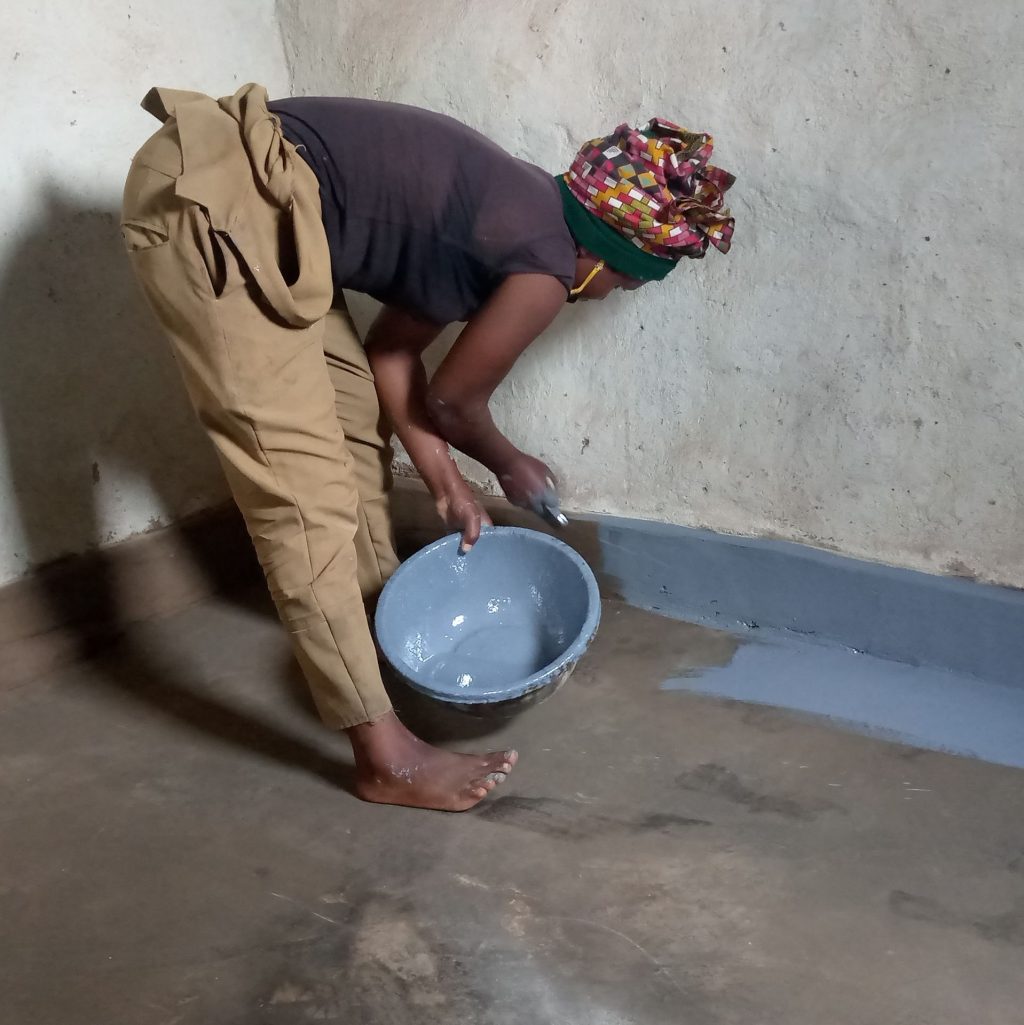
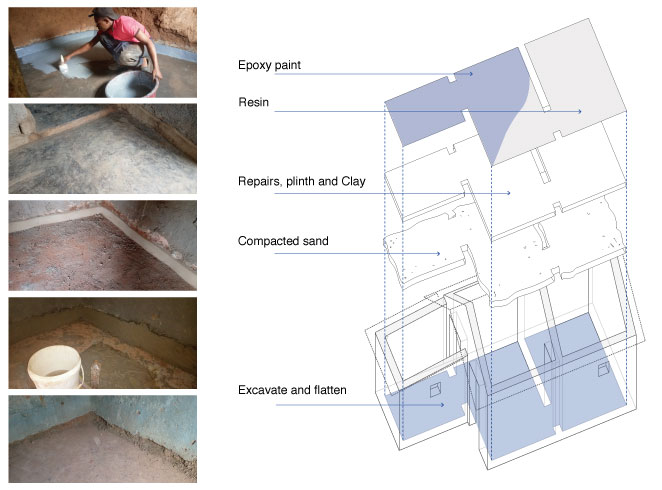
Many were the potential spatial actions and next steps that could bring benefits to the research participants by improving the impacts that the spaces of the refugee camps studied were having on young children’s development. One project that was attainable with a relatively small budget and could see an easy expansion was the sustainable, locally implemented and adaptable pavement of the existing refugee homes.
We proposed the pavement of homes as an effective, attainable and affordable means to tackle issues related to malnutrition and other illnesses related to the home indoor conditions worsened by the lack of pavements. Creative Assemblages and P+A, through the Barcelona-based NGO ANM got awarded the “cooperation grant” from the Architects Association of Catalunya (COAC ) to develop the project in partnership with UNHCR Rwanda and Earth Enable . This organisation builds and promotes improved earth floors in Rwanda and Uganda.
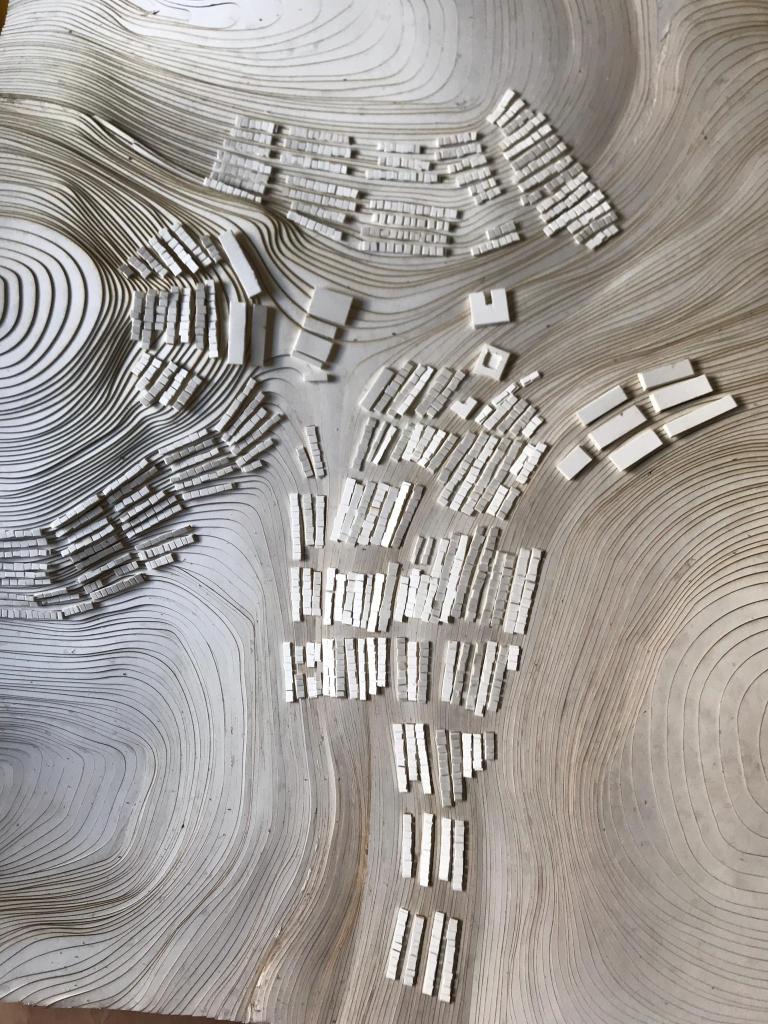
The project involves the construction of safe, durable, and comfortable improved earth floors for over 200 homes in the Mugombwa Refugee Camp established in Southern Rwanda in 2013 and training 20 masons from inside and outside the camp on improved earth floor techniques. We developed a Model of the camp that was used by refugees and camp administrators to aide in the selection of the 200 initial homes based as well on family vulnerability and needs, distribution by quarters and total square meters to be covered. A group of masons to be trained volunteered based on interest from the camp and the surrounding Umudugudu of Mugombwa.
 CREATIVE ASSEMBLAGES